
LVT vs. Laminate: Which Flooring Suits Your Kitchen & Hallway?
Discover the durability, waterproofing, warmth, and cost differences between modern herringbone LVT and high-density AC5 timber laminates.
Minal & Taj Master Fitting Team
Hard Flooring & LVT Technical Specialist • Taj Carpets London

Photo: Luxury herringbone flooring installed in an open-plan kitchen and dining hallway
Key Takeaways & Specialist Summary
- Luxury Vinyl Tile (LVT) is 100% impervious to standing water, making it the superior choice for high-spill kitchen areas.
- AC5 rated commercial laminate provides unmatched surface scratch resistance against pet claws and heavy grit.
- LVT requires precision subfloor preparation (plywood or latex screed), whereas click-lock laminate can bridge minor surface dips with underlay.
- LVT conducts underfloor heating more rapidly due to lower thermal resistance (tog rating).
- Both materials allow breathtaking authentic aesthetics, from classic herringbone parquet to wide-plank French oak.
The Modern Kitchen & Hallway Challenge
High humidity, constant footfall, and sudden spills
Open-plan living is the defining layout of contemporary London properties. When the hallway transitions seamlessly into an open kitchen and dining space, flooring must endure conflicting demands: the heavy, abrasive grit carried from outdoor shoes in the entrance hall, combined with grease splatters, boiling water spills, and dishwasher drips in the culinary zone.
Two hard flooring categories lead modern residential renovations: Luxury Vinyl Tile (LVT) and high-density AC5 Laminate. While both replicate authentic timber and natural stone textures convincingly, their core composition yields distinct engineering advantages.
1. Waterproofing & Moisture Resistance
How each surface handles daily spills and leaks
The most fundamental difference between LVT and laminate lies in their core materials:
- LVT (100% Waterproof): Constructed from multi-layer virgin vinyl, fiberglass stabilizing sheets, and an impenetrable polyurethane wear layer. Water can sit on LVT indefinitely without causing swelling, warping, or seam separation. This makes LVT virtually fail-safe for kitchens, utility rooms, and ground-floor bathrooms.
- Laminate (Hydro-Resistant AC5 Core): Modern high-spec laminates use high-density fiberboard (HDF) with paraffin wax bevel sealing and water-repellent top resins. While superior AC5 laminates resist accidental drink spills for up to 24–48 hours, standing water penetrating unsealed expansion joints will eventually cause fiberboard swelling.
2. Scratch Resistance, Toughness & Daily Wear
Dogs, high heels, and children's toys
In high-traffic entrance hallways, outdoor grit functions like sandpaper underfoot. Here, laminate often delivers extraordinary resilience. AC5-rated laminate surfaces feature an aluminum oxide crystalline wear shield that resists sharp scratches from large dog claws, gravel, and dragging furniture.
LVT surfaces are softer and slightly warmer underfoot. While protected by thick 0.55mm to 0.70mm commercial wear layers and ceramic bead coatings, very sharp objects or sharp stones trapped under heavy boots can leave micro-scratches on vinyl surfaces. However, textured and embossed-in-register (EIR) vinyl planks hide daily wear exceptionally well.
3. Subfloor Preparation & Underfloor Heating
The unseen investment beneath your surface
One of the biggest surprises for homeowners is the disparity in installation preparation:
- LVT Subfloor Standards: Glue-down LVT (Dryback) demands a perfectly level, glass-smooth substrate. Concrete subfloors must receive a self-smoothing latex screed; timber floorboards must be overlaid with 6mm SP101 marine-grade plywood. Any subfloor imperfection will telegraph through the vinyl plank.
- Laminate Installation: Click-lock laminate floats over an acoustic foam or foil underlay, accommodating minor subfloor undulations without telegraphing flaws.
- Underfloor Heating (UFH): Both surfaces are compatible with wet and electric underfloor heating systems (up to 27°C). However, LVT possesses a lower tog rating, allowing ambient heat to conduct more rapidly into the living space.
Price Comparison & Summary
Balancing investment and long-term durability
Material costs for quality AC5 laminate typically range from £18 to £35 per m², with simpler floating installation. Commercial-grade LVT planks range from £24 to £48 per m², with additional investment required for screeding and adhesive.
If your priority is absolute waterproofing, silent underfoot acoustics, and authentic parquet herringbone aesthetics in your kitchen, LVT is the premium choice. If you seek maximum scratch armor for an active hallway with pets on a sensible budget, AC5 laminate is unbeatable.
Featured Products Mentioned in This Guide
Explore tested collections available for viewing across our London & Essex showrooms.
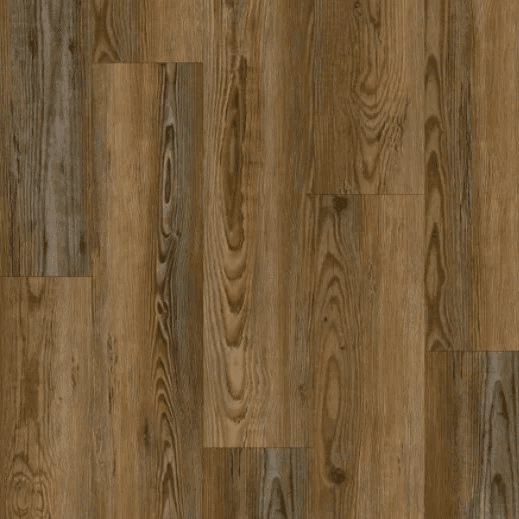 100% Waterproof
Stanton Vinyl Flooring
Commercial-grade luxury vinyl flooring with embossed timber grain, waterproof durability, and slip resistance.
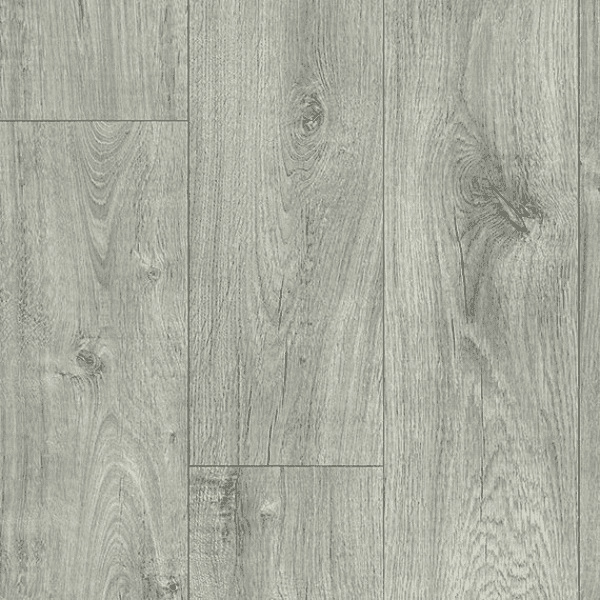 Herringbone & Tile
Floortex LVT
Ultra-durable luxury vinyl tile with sound-absorbing backing and high-definition architectural surface texturing.
 AC5 Heavy Domestic
Master Flooring 8mm
High-density commercial click laminate with wax-sealed joints and diamond-hard scratch resistance.
Want Professional Guidance for Your Floor Project?
Take the guesswork out of measuring, underlay selection, and room transitions. Our senior estimators bring laser measuring equipment and complete physical sample collections directly to your home anywhere across Greater London and Essex.

